Introduction
As we navigate through 2026, the education sector faces the critical challenge of nurturing creativity in students. With the rapid advancements in technology and an ever-changing job market, fostering innovation is not just a desirable goal; it has become essential. This article explores various strategies that educators and institutions can implement to create a creative learning environment that inspires students to think outside the box.
The Importance of Creativity in Education
Creativity in education is vital for several reasons:
- Problem-Solving Skills: Creative thinking helps students approach problems from different angles and develop unique solutions.
- Adaptability: A creative mindset prepares students to adapt to the fast-paced changes in technology and society.
- Engagement: Creative learning experiences often lead to higher student engagement and motivation.
- Collaboration: Innovation thrives in collaborative environments, promoting teamwork and communication among students.
Strategies for Fostering Creativity
1. Embrace Project-Based Learning
Project-based learning (PBL) allows students to explore real-world problems through hands-on projects. This method encourages students to work collaboratively, think critically, and apply their knowledge creatively. By providing students with opportunities to lead their projects, educators can cultivate a sense of ownership and passion for learning.
2. Integrate Arts Across the Curriculum
Incorporating the arts into various subjects can enhance creative thinking. For example, students might express scientific concepts through visual arts or use music to understand mathematical patterns. By blending subjects, educators can help students see the interconnectedness of knowledge and encourage innovative thinking.
3. Create a Safe Space for Experimentation
To foster creativity, teachers should create an environment where students feel safe to take risks and make mistakes. Encouraging a growth mindset can help students understand that failure is a part of the learning process. Establishing clear guidelines while allowing creative freedom helps students feel secure in their explorations.
4. Provide Access to Technology and Resources
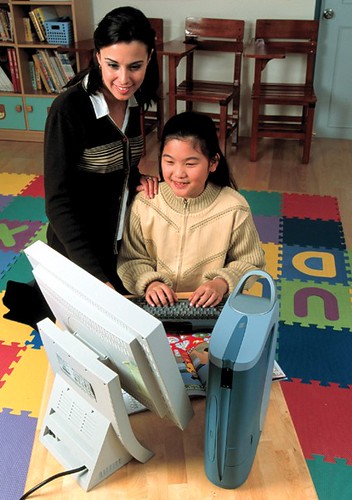
In 2026, access to technology is essential for fostering creativity. Schools should provide students with tools such as 3D printers, software for digital design, and collaborative online platforms. These resources empower students to bring their creative ideas to fruition and enhance their problem-solving capabilities.
5. Encourage Diverse Perspectives
Diverse classrooms are breeding grounds for creativity. Encouraging students to share their perspectives, cultures, and experiences can lead to richer, more innovative ideas. Group projects that emphasize collaboration among diverse student backgrounds can result in unique solutions to complex problems.
6. Incorporate Creative Thinking Exercises
Regularly integrating creative thinking exercises into the curriculum can sharpen students’ innovation skills. Activities like brainstorming sessions, mind mapping, and improvisational games can stimulate creative thought processes. Such exercises encourage students to think divergently and push the boundaries of conventional thinking.
Challenges in Fostering Creativity
While fostering creativity is crucial, educators may face challenges:
- Standardized Testing: The emphasis on standardized testing can stifle creativity, as curriculums often focus on rote learning rather than innovative thinking.
- Resource Limitations: Not all schools have access to the latest technology or creative resources, which can limit opportunities for creative exploration.
- Teacher Training: Many teachers may not have received adequate training in creative teaching methodologies, impacting their ability to foster a creative environment.
Conclusion
In conclusion, creativity is a vital component of a well-rounded education in 2026. By embracing innovative teaching strategies and creating supportive environments, educators can unlock the creative potential within their students. The future workforce will thrive on creativity, and it is our responsibility to prepare our students for the challenges and opportunities that lie ahead.
