
Introduction
As we delve deeper into 2026, the educational landscape continues to evolve significantly. One of the most impactful trends is the shift towards personalized learning approaches. This methodology not only caters to students’ individual learning styles but also enhances engagement and motivation, which are crucial for academic success. In this article, we will explore the benefits of personalized learning and how educators can implement these strategies effectively.
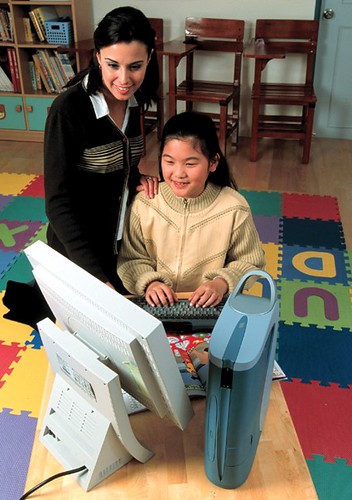
Understanding Personalized Learning
Personalized learning is an educational approach that tailors learning experiences to meet the diverse needs of individual students. By focusing on each learner’s strengths, weaknesses, and interests, teachers can create a more engaging and effective educational experience. Here are some key components of personalized learning:
- Student-Centric Instruction: This strategy emphasizes student agency and choice, allowing learners to take an active role in their education.
- Flexible Learning Pathways: Personalized learning creates multiple paths to learning objectives, enabling students to progress at their own pace.
- Data-Driven Insights: Technology plays a pivotal role, with educators utilizing data to track student progress and adapt instruction accordingly.
The Importance of Student Engagement
Engagement is a critical factor in successful learning experiences. When students are engaged, they are more likely to participate actively, retain information, and develop a lifelong love of learning. Personalized learning can significantly boost student engagement in several ways:
- Relevance: By connecting learning materials to students’ interests and real-world applications, personalized learning makes education feel more relevant and meaningful.
- Autonomy: Offering choices in learning topics and methods empowers students, fostering a sense of ownership over their educational journey.
- Immediate Feedback: With personalized learning, students receive constructive feedback in real-time, allowing them to recognize their progress and areas for improvement quickly.
Strategies for Implementing Personalized Learning
Educators looking to enhance student engagement through personalized learning can consider the following strategies:
1. Utilize Technology
Incorporating educational technology can facilitate personalized learning effectively. Learning management systems, adaptive learning platforms, and educational apps provide tailored content and resources that cater to individual student needs.
2. Set Individual Learning Goals
Collaborating with students to set personal learning goals ensures that each learner has clear objectives and a roadmap for achieving them. Tailored goals can motivate students to achieve more.
3. Incorporate Collaborative Learning
Encouraging students to work together on projects allows them to learn from one another while maintaining personalization. Group activities should be structured to promote collaboration while catering to individual strengths.
4. Emphasize Mastery Over Grades
Shifting the focus from traditional grading systems to mastery of concepts can alleviate pressure and promote a positive learning environment. Students should be encouraged to develop a deep understanding before moving on to new topics.
5. Foster a Growth Mindset
Instilling a growth mindset in students can make a significant difference in their engagement levels. Encouraging them to view challenges as opportunities to learn promotes resilience and a willingness to explore new ideas.
Challenges and Considerations
While personalized learning offers numerous benefits, educators must be aware of potential challenges:
- Resource Allocation: Implementing personalized learning can require significant resources, including time, training, and technology.
- Teacher Training: Educators need to be adequately trained to utilize personalized learning strategies effectively. Ongoing professional development is crucial.
- Equity in Access: Ensuring that all students have equal access to personalized learning resources is vital to prevent widening the achievement gap.
Conclusion
As we navigate the educational landscape in 2026, personalized learning stands out as a powerful means to enhance student engagement. By understanding the components and benefits of this approach, educators can create meaningful, tailored experiences that encourage students to thrive. Embracing personalized learning not only enriches student experiences but also prepares them for a future that values adaptability and critical thinking.
