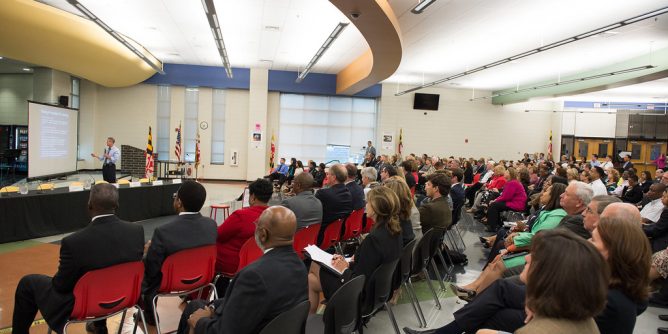
Introduction to Lifelong Learning
In the rapidly changing landscape of 2026, lifelong learning has become an essential pillar for both personal and professional growth. As technological advancements and global challenges emerge, the need for ongoing education has never been more critical. This article explores the importance of lifelong learning, the various avenues available, and the strategies for effectively engaging in this continuous journey.
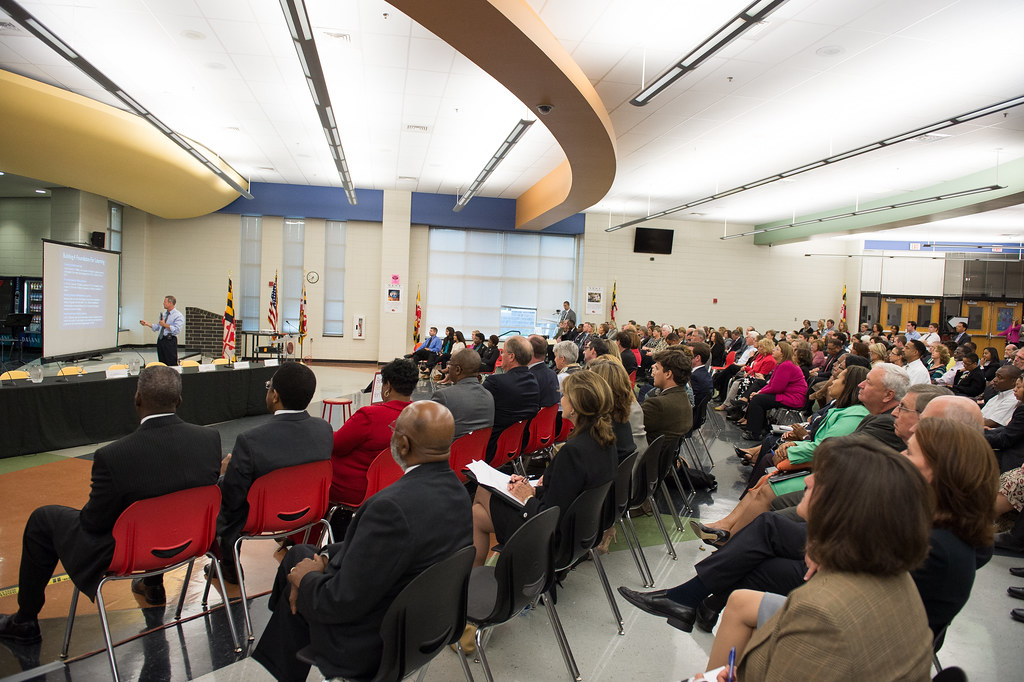
The Importance of Lifelong Learning
Lifelong learning is not just a buzzword; it is a necessity in today’s dynamic world. Here are some reasons why:
- Adaptability: The job market is evolving with automation and artificial intelligence, requiring individuals to constantly update their skills.
- Personal Development: Lifelong learning contributes to personal fulfillment and self-awareness, leading to a more enriched life.
- Career Advancement: Continuous education enhances professional credentials, making individuals more competitive in their fields.
- Social Engagement: Learning new skills can foster connections with diverse groups, enhancing social networks.
Key Areas of Lifelong Learning in 2026
In 2026, several key areas are gaining traction for lifelong learners:
- Digital Skills: With the proliferation of technology, skills in data analysis, coding, and digital marketing are in high demand.
- Soft Skills Development: Skills such as communication, emotional intelligence, and teamwork are essential for successful collaboration in a diverse workforce.
- Health and Wellness: Understanding mental and physical health is crucial, leading to courses on mindfulness, nutrition, and fitness.
- Environmental Awareness: As climate change becomes more pressing, courses on sustainability and eco-friendly practices are becoming popular.
Modes of Lifelong Learning
There are various ways to engage in lifelong learning, each catering to different learning preferences:
- Online Courses: Platforms like Coursera and edX offer courses from top universities, making education accessible from anywhere.
- Workshops and Seminars: Short-term workshops allow for intensive learning experiences and networking opportunities.
- Community Colleges: Many community colleges provide affordable courses on a wide range of subjects.
- Self-Directed Learning: Individuals can curate their own learning experiences through books, podcasts, and online resources.
Strategies for Effective Lifelong Learning
To maximize the benefits of lifelong learning, consider the following strategies:
- Set Learning Goals: Define clear, achievable goals to keep your learning focused and purposeful.
- Stay Curious: Cultivate a mindset of curiosity, allowing yourself to explore new interests and ideas.
- Network with Fellow Learners: Engaging with others can provide support, motivation, and new perspectives.
- Reflect on Learning: Regularly assess what you have learned and how it applies to your life and career.
Challenges in Lifelong Learning
Despite the numerous benefits, lifelong learning comes with its set of challenges:
- Time Management: Balancing work, family, and other commitments can make it difficult to dedicate time to learning.
- Motivation: Staying motivated over the long term can be challenging; it’s important to find personal relevance in what you’re learning.
- Access to Resources: Not everyone has equal access to educational resources, which can create disparities in lifelong learning opportunities.
Conclusion: Embracing Lifelong Learning
Lifelong learning is a transformative journey that empowers individuals to adapt, grow, and thrive in a complex world. By embracing this concept in 2026, we can cultivate a society that prioritizes education, resilience, and continuous improvement. Whether through formal education or self-directed studies, the path to lifelong learning can open new doors and enhance our lives in unimaginable ways.
