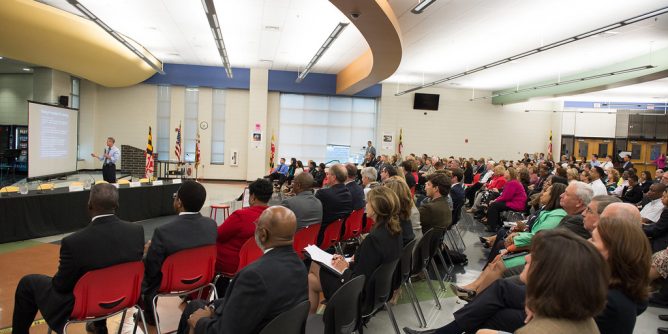
Understanding Personalized Learning
Personalized learning is transforming the education landscape, aiming to tailor education according to each student’s unique strengths, weaknesses, and interests. In 2026, this movement has gained significant traction, fueled by advancements in technology and a deeper understanding of pedagogical strategies that resonate with diverse learners.
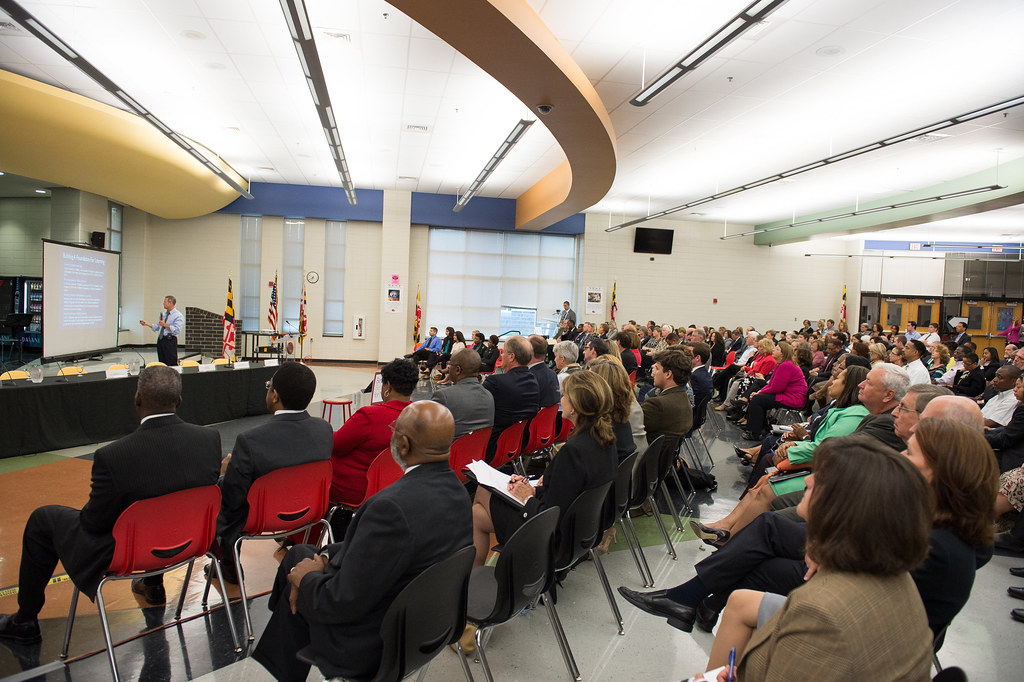
The Shift from Traditional Methods
Gone are the days of a one-size-fits-all classroom approach. With the proliferation of digital tools and data analytics, educators can easily assess student performance and customize the learning experience. This shift acknowledges that students learn differently and at their own pace, paving the way for more effective educational outcomes.
Key Components of Personalized Learning
Implementing personalized learning involves several core components:
- Individual Learning Plans: Each student has a tailored learning plan that outlines specific goals and paths based on their interests and academic level.
- Flexible Learning Environments: Classrooms are evolving into dynamic spaces that can be rearranged to suit different learning activities, allowing for collaboration and independent work.
- Real-Time Feedback: Technology facilitates immediate feedback on assessments and activities, helping students understand their progress and areas needing improvement.
- Student Agency: Students are encouraged to take charge of their learning by making choices about their educational journey, leading to increased motivation and engagement.
Technological Advances Driving Personalization
The role of technology in personalized learning cannot be overstated. In 2026, several advanced tools and platforms are enhancing the personalized learning experience: Also read: gan89 for more insights.
- Adaptive Learning Software: These programs adjust the difficulty of tasks based on real-time performance analytics, ensuring that students are continually challenged.
- Learning Analytics: By analyzing data collected from student interactions, educators can better understand trends and tailor lessons to meet individual needs.
- Artificial Intelligence: AI tutors are becoming more sophisticated, offering personalized assistance to students outside classroom hours, thus reinforcing concepts learned in school.
Challenges and Considerations
Despite the benefits of personalized learning, several challenges exist:
- Equity in Access: Not all students have equal access to technology, which can create disparities in learning opportunities.
- Teacher Training: Educators require training to effectively implement personalized learning strategies and tools.
- Data Privacy: As schools gather more data on student performance, concerns around privacy and data protection become more prominent.
Implementing Personalized Learning in Classrooms
To successfully integrate personalized learning in educational settings, schools need to follow a structured approach:
- Assessment of Student Needs: Regular assessments should be conducted to identify each student’s learning style and academic level.
- Professional Development for Educators: Ongoing training and resources must be provided to teachers to ensure they are equipped to facilitate personalized learning.
- Collaboration with Stakeholders: Engaging parents and the community to support personalized learning initiatives is crucial for success.
Looking Ahead
The future of education in 2026 and beyond is undoubtedly geared towards more personalized approaches. As technology continues to evolve and pedagogical practices become more refined, the potential for tailoring education to meet individual student needs will only grow. This transformation holds the promise of not only improving academic outcomes but also fostering a love for lifelong learning in students.
Conclusion
Personalized learning is reshaping the educational landscape, placing the student at the center of the learning experience. As schools embrace this approach, it will be essential to address the challenges and harness the benefits it offers. By doing so, we can create an educational environment that truly supports every learner’s journey.
