
Understanding Extracurricular Activities
Extracurricular activities, often viewed as optional components of education, play a pivotal role in student development. While academics are crucial, activities outside the classroom contribute significantly to a well-rounded education in 2026.
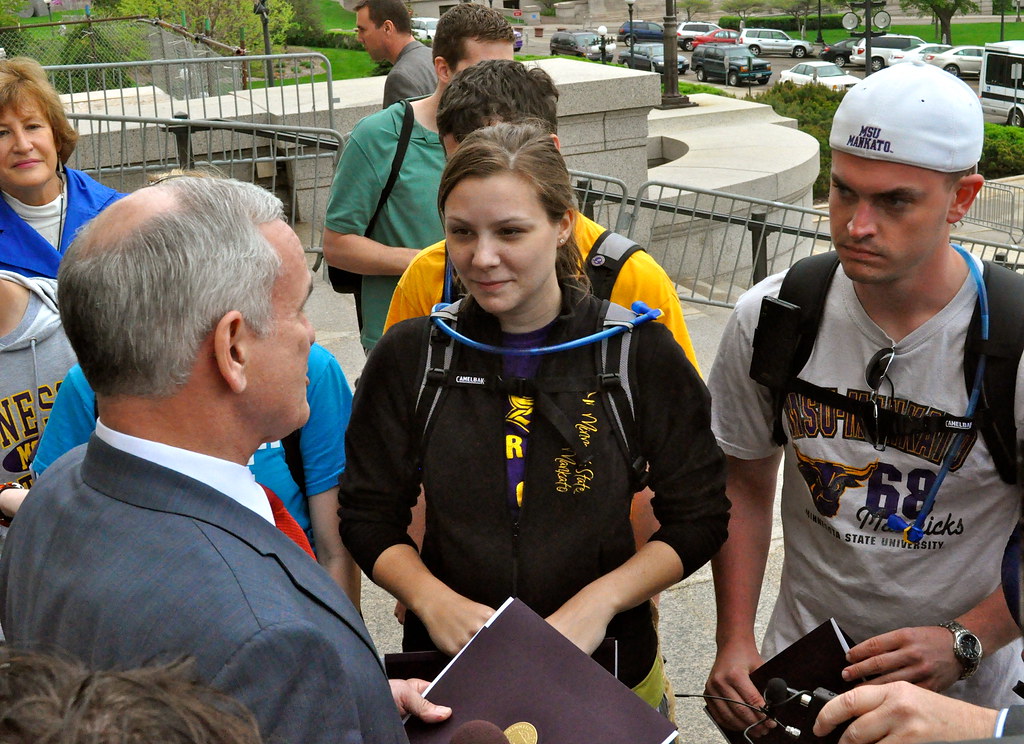
Defining Extracurricular Activities
Extracurricular activities encompass a wide range of pursuits, including sports, arts, clubs, and community service. These activities are typically organized by schools and allow students to explore their interests beyond the standard curriculum.
The Benefits of Participation
Engaging in extracurricular activities offers numerous benefits that extend far beyond pleasure and enjoyment. Here are some key advantages:
- Social Skills Development: Participating in group activities fosters teamwork, communication, and interpersonal skills essential for future professional environments.
- Improved Time Management: Balancing academic responsibilities with extracurricular commitments teaches students how to manage their time effectively—a skill crucial for success in adulthood.
- Boosted Self-Esteem: Accomplishments in extracurricular pursuits can enhance self-confidence, helping students to develop a positive self-image through various achievements.
- Enhanced Academic Performance: Studies indicate that students involved in extracurricular activities often exhibit improved academic performance, as these activities encourage discipline and focus.
- Opportunities for Leadership: Many extracurricular activities provide students the chance to take on leadership roles, equipping them with valuable skills for future endeavors.
Current Trends in Extracurricular Involvement
As we navigate through 2026, several trends are shaping the landscape of extracurricular activities in educational institutions:
The Rise of Hybrid Programs
The post-pandemic world has seen a surge in hybrid extracurricular programs that combine in-person and virtual participation. This allows greater flexibility and accessibility for students, enabling broader involvement.
Emphasis on Mental Health
Schools are increasingly recognizing the importance of mental health resources. Extracurricular activities focused on wellness, like yoga or mindfulness clubs, are becoming more common, offering students a valuable outlet for stress relief.
Incorporating Technology
Modern technology is transforming how students interact with extracurriculars. From online coding clubs to virtual arts showcases, digital platforms enable students to engage and collaborate regardless of physical location.
Challenges Faced by Students
While the benefits of extracurricular activities are significant, students often face challenges that can limit their participation:
- Time Constraints: The increasing pressure of academic workloads often leaves little room for extracurricular involvement, creating a need for effective time management strategies.
- Accessibility Issues: Not all students have equal access to extracurricular opportunities, often influenced by socio-economic factors.
- Balancing Commitments: Students frequently juggle multiple commitments, impacting their ability to participate in activities consistently.
Strategies for Successful Involvement
To maximize the benefits of extracurricular activities, students can adopt several strategies:
- Set Clear Goals: Establishing personal objectives can help prioritize activities and manage time effectively.
- Choose Wisely: Selecting activities that align with personal interests and future aspirations can enhance enjoyment and commitment.
- Seek Support: Students should leverage resources from school counselors or mentors for guidance in balancing academic and extracurricular obligations.
Conclusion: A Holistic Approach to Education
As we look to the future of education, it becomes increasingly clear that extracurricular activities are integral to fostering well-rounded, successful individuals. By supporting these initiatives, schools can provide students with opportunities that promote personal growth and development. In 2026 and beyond, the focus should remain on creating environments where students can thrive both academically and socially through their extracurricular engagements.
